
(+612) 2531 5600
info@la-studioweb.com
Get direction
Google map

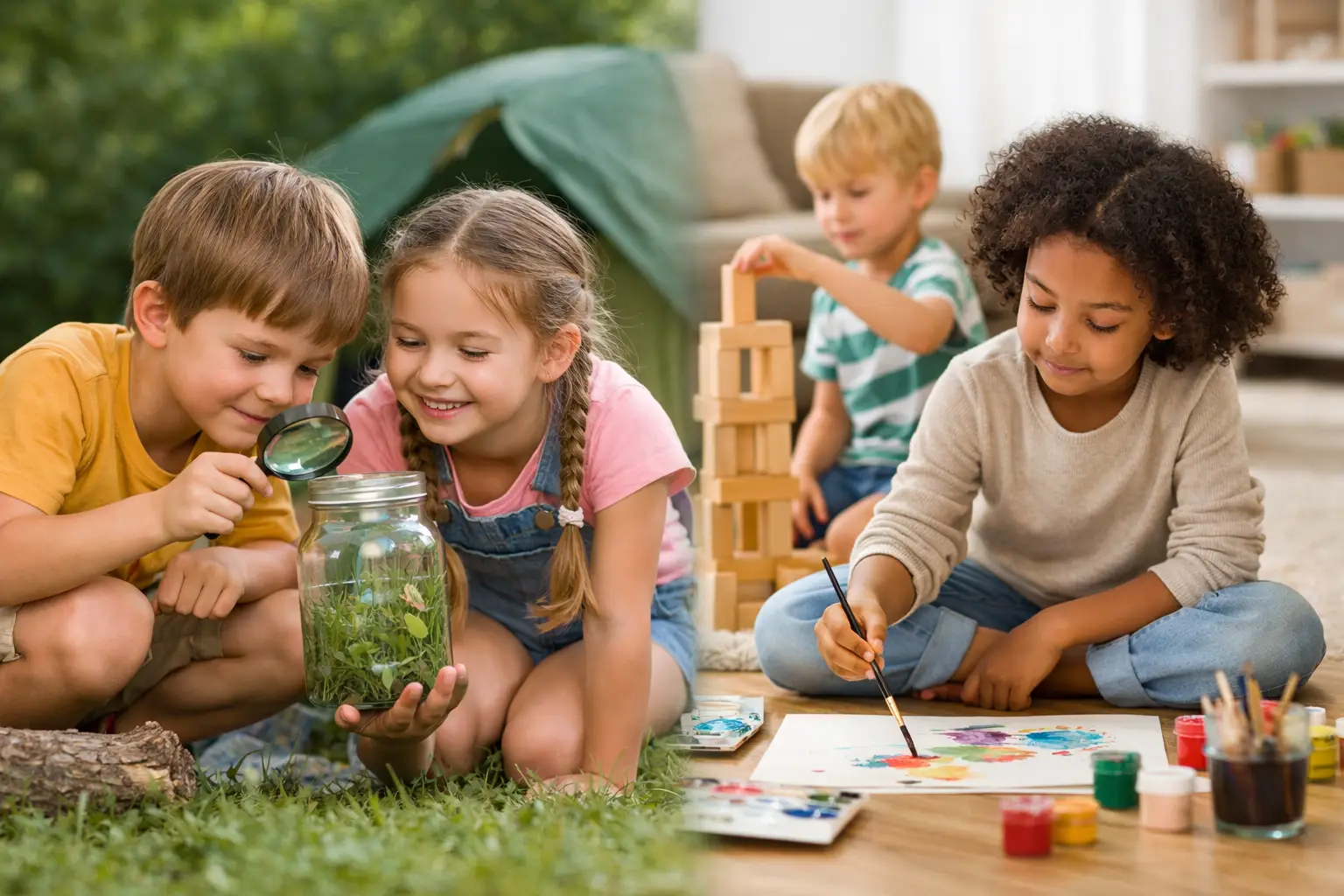
A child melting down because the tablet is gone is not really asking for a screen. More often, they are showing you a gap – in connection, stimulation, structure, or rest. That is why screen free activities for kids work best when they do more than fill time. The right activity strengthens a part of your child that screens often leave underused: the body, the mind, the emotions, or the spirit.
Many parents are not looking for cute ideas. They are looking for something that actually changes the tone of the day. Something that reduces battles, improves attention, and helps a child feel more grounded. That is the real goal here.
Screens are not the enemy, but they are powerful. They deliver fast rewards, constant novelty, and very little effort. Real life asks for something different. It asks children to wait, imagine, cooperate, move their bodies, solve problems, and tolerate boredom long enough for creativity to appear.
That is why reducing screen time can feel hard at first. You are not just taking away entertainment. You are helping your child rebuild muscles that matter for life – self-control, patience, conversation, resilience, and curiosity.
This is also where many parenting articles miss the mark. They give a long list of crafts and games without explaining why one activity helps one child and frustrates another. It depends on what your child needs most right now. A child who is physically restless needs something different from a child who is emotionally frayed or mentally overstimulated.
A more effective way to choose activities is to think in four dimensions: physical, mental, emotional, and spiritual. When an activity supports one or more of these areas, it does more than occupy your child. It helps them grow.
If your child is bouncing off the walls, begin with movement. If they are whining, irritable, or easily upset, start with connection and emotional regulation. If they seem bored by everything, choose a challenge that requires thought. If the family feels rushed and disconnected, slow things down with activities that create peace, gratitude, or meaning.
This simple shift changes everything. Instead of asking, “What can my child do without a screen?” you ask, “What is my child missing right now?”
Children often use screens to manage energy they do not know how to handle. Some get more wired. Others go flat and sluggish. Physical play resets both.
Indoor obstacle courses are a strong starting point because they require almost no special equipment. Pillows, chairs, tape lines on the floor, and a laundry basket become a full-body challenge. For younger children, crawling, balancing, and hopping build coordination. For older kids, add timing, memory directions, or teamwork.
Treasure hunts also work well because they combine movement with purpose. Hide simple objects around the house or yard and give clues based on age. A preschooler might look for “something soft and blue.” An older child can solve riddles or follow a map.
If your child resists structured play, go simpler. Turn on music and try freeze dance. Race to sort socks. Walk the dog together. Wash the car. Practical movement counts. In fact, children often respond better when physical activity feels useful instead of forced.
Many kids reach for screens because they are used to being entertained, not because they lack intelligence. Mental screen free activities for kids help rebuild the ability to focus, plan, and persist.
Puzzles are classic for a reason, but match them carefully to your child. If the challenge is too easy, they disengage. Too hard, and frustration takes over. The same principle applies to building toys, logic games, mazes, and simple science experiments.
One of the most powerful options is open-ended building. Give your child blocks, cardboard, tape, paper towel tubes, or recyclable materials and ask them to make a bridge, a house for a stuffed animal, or a machine that solves a problem. This kind of play develops creativity and engineering thinking without feeling academic.
Reading aloud is another high-value choice, especially for children who claim they do not like books. The issue is often not reading itself. It is that independent reading can feel like work when attention is already depleted. Reading together lowers the barrier and strengthens language, listening, and imagination all at once.
Journaling can help older kids, especially preteens. They might write a story, keep a nature notebook, record a dream, or answer a question such as, “What made me feel strong today?” This builds reflection, which screens rarely ask of them.
A child who is constantly asking for a device may actually be asking for comfort, predictability, or engagement. Emotional development does not happen through lectures. It grows through shared experiences.
Board games are useful here because they teach turn-taking, frustration tolerance, and how to win or lose without falling apart. Cooperative games are especially helpful for children who become overly competitive or discouraged.
Pretend play is another emotional powerhouse. Playing restaurant, school, doctor, or family gives children a safe way to process what they see and feel. If your child has had a hard week, watch their play themes. You may learn more from ten minutes of pretend play than from ten direct questions.
Cooking together is underrated. Measuring, stirring, waiting, and cleaning all matter, but the deeper value is relational. A child who helps make muffins or tacos is not just learning a life skill. They are sharing attention with you in a calm, meaningful way.
Even simple conversation games can help. Try rose, thorn, and bud at dinner: one good part of the day, one hard part, and one thing you are looking forward to. This gives children language for their inner world.
For some families, spiritual growth is explicitly faith-based. For others, it looks more like gratitude, wonder, service, and reflection. Either way, this dimension is often the missing piece in busy homes.
Nature walks are a strong example. They are not just exercise. They train children to notice. Ask what they hear, what they see changing with the season, or what surprises them. Attention is a form of reverence.
Gratitude practices can also be simple. Keep a family jar where everyone adds one thing they are thankful for. Read them together at the end of the week. Children who learn to notice good things become less dependent on constant stimulation.
Acts of service matter too. Writing a card for a neighbor, baking for a friend, helping a sibling clean a room, or sorting toys to give away teaches children that life is bigger than their own immediate wants. That is formative in a way no app can match.
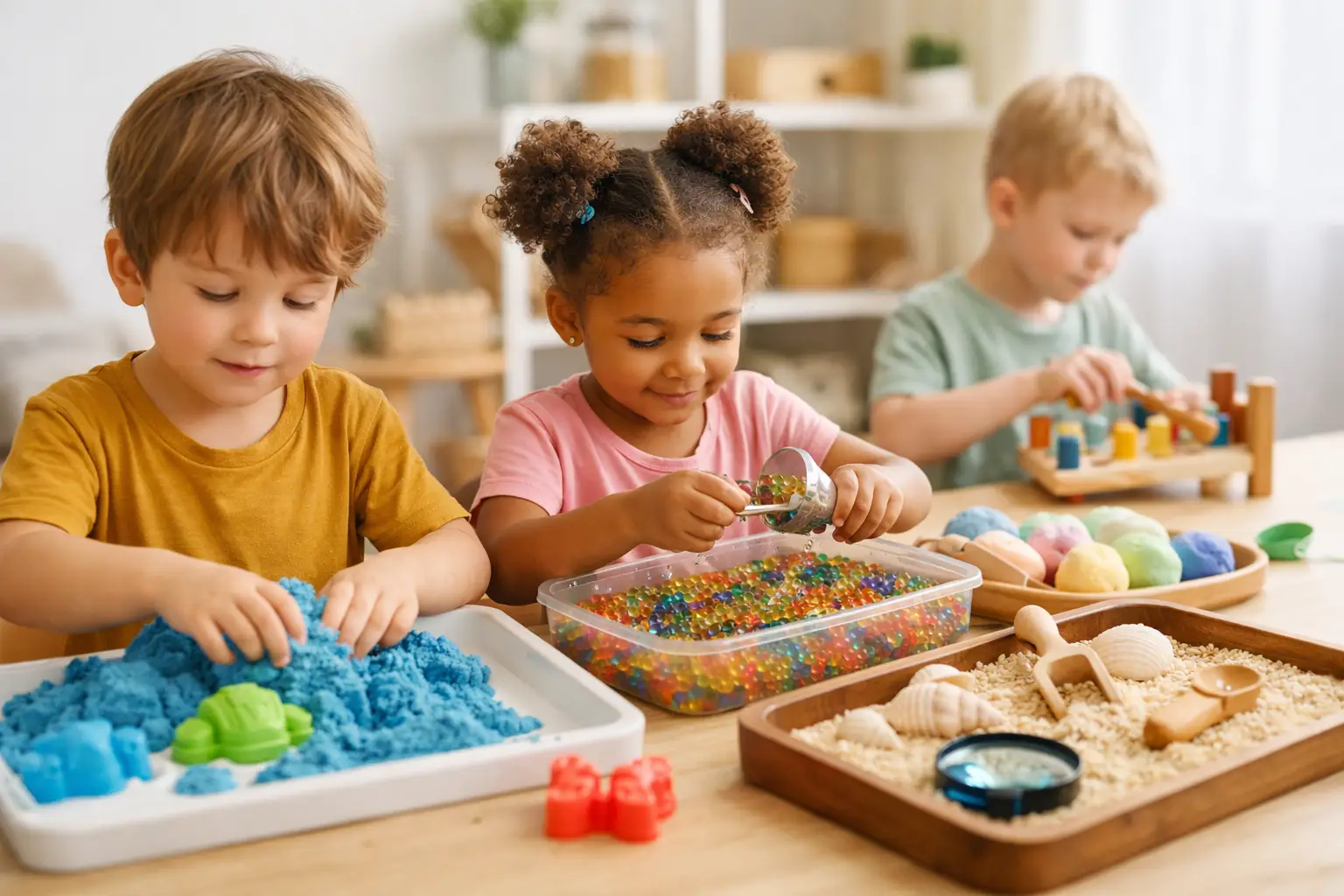
Toddlers do best with sensory play, music and movement, simple helping tasks, and short bursts of outdoor exploration. They need repetition more than novelty. If something works, repeat it often.
Preschoolers thrive on pretend play, scavenger hunts, art with basic supplies, read-aloud time, and hands-on chores. At this age, imitation is powerful. If you want them engaged, let them do what you are doing in a child-sized way.
Elementary-age kids are ready for projects. Building challenges, beginner cooking, card games, backyard experiments, journaling, and neighborhood adventures all work well. This is a great age to stretch independence without expecting perfection.
Preteens need dignity. They will reject activities that feel babyish or overly managed. Offer choices like baking, photography with a non-phone camera, sports, model building, sketching, volunteering, or planning a family game night. They still need guidance, but they also need ownership.
Do not panic. Boredom is not a parenting failure. It is often the doorway to self-directed play.
If you rush in too quickly with solutions, your child learns that discomfort should be outsourced. Instead, stay calm and give a small framework. You might say, “You can choose something to make, something to move, or something to help with.” That keeps you in charge without doing all the creative work for them.
Expect some resistance during the transition away from frequent screens. That does not mean your plan is failing. It usually means your child is adjusting to slower, more effortful forms of engagement. Hold steady. Most children rediscover play when parents stop negotiating every minute.
The biggest breakthrough is not finding one magical activity. It is creating rhythms that make better choices easier. Keep art supplies accessible. Leave puzzles out. Store books where children can reach them. Make outdoor time normal, not occasional. In our work at 4D-2D, this is the shift that helps parents stop reacting and start leading.
You do not need a perfect plan or a house full of materials. You need a clearer picture of the child in front of you and the courage to choose what builds them, not just what quiets them. When an activity strengthens your child physically, mentally, emotionally, or spiritually, screen-free time stops feeling like deprivation and starts feeling like development.
Click here to explore parenting resources and tools starting at under a dollar. Equip yourself with knowledge and strategies to raise confident, resilient, and empathetic children.


There are no comments