A child refuses a coat on a chilly morning, then feels cold at the playground. A teenager spends all of Saturday’s allowance on Friday, then cannot buy a snack with friends. These moments can become powerful teachers – but only when parents know how to use natural consequences without turning discomfort into punishment.
Natural consequences are what happen because of a child’s choice, not because an adult adds a penalty. They can teach cause and effect, responsibility, planning, and empathy in a way lectures rarely do. Used well, they help children grow in all four dimensions: physically, mentally, emotionally, and spiritually. Used carelessly, they can create fear, resentment, or a problem that is too big for a child to manage.
What Natural Consequences Really Mean
A natural consequence occurs without parental invention. If a child leaves a toy outside, rain may ruin it. If they delay getting ready, there may be less time to play before leaving. If they forget their lunch at home, they may experience hunger or need to accept the school’s alternative meal.
The key distinction is simple: the parent does not create the consequence. You do not hide the toy, take away the child’s screen time, or cancel a birthday party because the toy was left outdoors. Nature, time, other people’s boundaries, or the predictable result of the choice does the teaching.
That does not mean parents become detached observers. Children need guidance before a choice, calm support during the result, and a chance to repair what they can afterward. The goal is not, “Now you’ll learn.” The goal is, “I trust you can learn, and I will help you handle what comes next.”
How to Use Natural Consequences Without Being Harsh
Start by asking whether the consequence is genuinely natural, proportionate, and safe. If the answer is yes, resist the urge to rescue immediately. If the answer is no, your child needs a boundary, a logical consequence, or direct help instead.
For example, a child who repeatedly forgets their soccer cleats may need to sit out of practice if the coach cannot allow them to play without proper gear. That is a natural result. A child who runs into a parking lot cannot be allowed to experience the “natural” result of danger. Safety always comes first. You step in immediately, then teach and practice the safer behavior later.
Natural consequences also should not threaten a child’s basic needs. Do not withhold food, warmth, medical care, sleep, school access, affection, or emotional support in the name of a lesson. Children learn best when they feel secure, even while facing the results of their choices.
Your tone matters as much as your decision. Avoid sarcasm, shaming, or a satisfied “I told you so.” Those responses move the child’s attention away from the lesson and toward defending themselves against you. Try a calm, brief response instead: “You chose not to bring your jacket. You’re cold now. Next time, what could help you remember?”
Natural Consequences by Age and Stage
A consequence must match a child’s development. A preschooler is learning simple cause and effect. A preteen is beginning to manage time, social choices, and personal responsibility. A teenager can increasingly weigh long-term outcomes, though they still need adult structure and support.
Toddlers and Preschoolers
Young children need immediate, simple connections. If they throw a toy, the toy may be put away because it is no longer being used safely. Strictly speaking, that is a logical consequence, since the adult intervenes, but it is often more appropriate than waiting for a natural result. At this age, safety and repetition matter more than proving a point.
Natural consequences can still be useful in small moments. A child who pours water too quickly may see it spill. Invite them to help wipe it up. A child who refuses to put a favorite book in the car may not have it during the ride. Keep your language concrete: “The book stayed home, so it cannot come with us now.”
Do not expect preschoolers to remember a lesson after one experience. Their brains are still developing impulse control and working memory. Teach, practice, and give choices before problems happen: “Would you like to carry your book, or should I put it in the car bag?”
Elementary-Age Children
School-age children can handle more responsibility, especially when expectations are clear. If your child spends all their spending money, let them wait until the next allowance rather than supplying extra cash. If they procrastinate on a project, they may have less free time because they must finish it. If they forget a nonessential item for school, consider allowing them to solve the problem rather than delivering it.
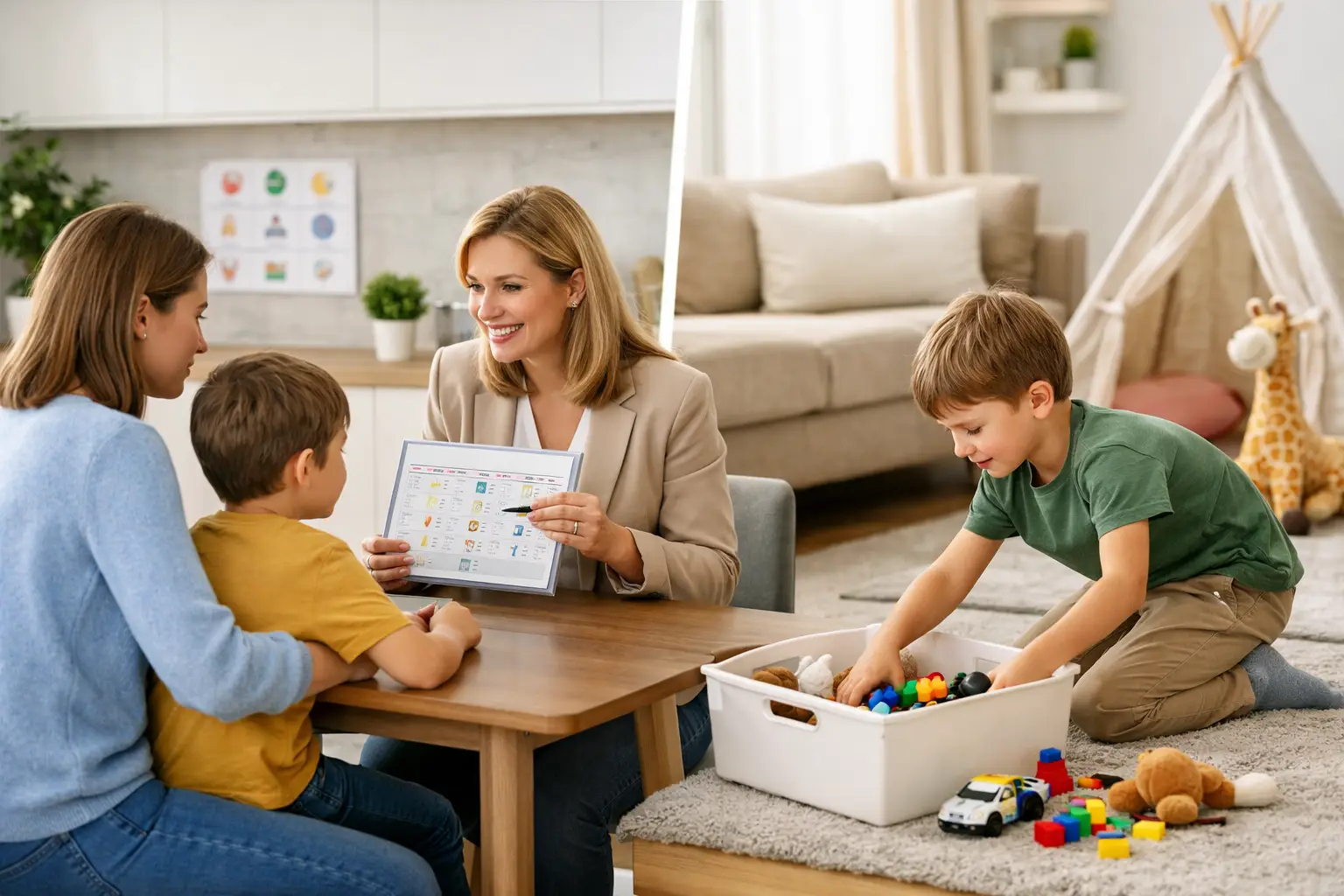
This does not mean setting children up to fail. Before stepping back, make sure the expectation was realistic and understood. A visual checklist by the door may be the support a child needs to remember homework, lunch, and sports equipment. Independence grows through preparation, not through repeated overwhelm.
When the consequence arrives, focus on problem-solving. Ask, “What happened?” “What part was in your control?” and “What will you try tomorrow?” These questions build mental skills such as planning and reflection while protecting emotional confidence.
Preteens and Teenagers
Older children need room to experience the results of everyday decisions. A teen who stays up too late may be tired the next day. A preteen who does not complete a chore may miss the chance to use the item they need cleaned, such as a favorite shirt. A teenager who damages trust by ignoring an agreed-upon curfew may face a natural loss of freedom because parents can no longer confidently say yes to later outings.
Be careful with the last example. Loss of freedom can become an arbitrary punishment if it is disconnected, excessive, or indefinite. Make the connection clear and provide a path to rebuild trust: “When you arrived 45 minutes late and did not answer your phone, we did not know you were safe. For the next two outings, we need an earlier check-in time. Show us you can follow it, and we will revisit your curfew.”
This approach supports spiritual development too. Children learn that freedom and responsibility belong together, that their choices affect others, and that repair is possible after mistakes.
When a Natural Consequence Is Not the Right Tool
Natural consequences are not a complete discipline system. They are one valuable tool in the instruction manual parents need, not the answer to every behavior challenge.
Do not use them when the outcome involves danger, humiliation, irreversible harm, or consequences far beyond the child’s maturity. A child should not be allowed to fail a class, lose an important relationship, or suffer a serious health consequence simply because adults want a lesson to “stick.” Step in early, set a boundary, and offer a logical consequence that relates directly to the behavior.
They are also less useful when behavior is driven by a missing skill rather than defiance. A child who melts down after school may be hungry, overstimulated, or unable to name big feelings. A teen who constantly misses assignments may be struggling with executive functioning, anxiety, or an overwhelming workload. In those moments, curiosity changes everything. Ask what support, structure, or skill is missing before assuming the child needs a harder consequence.
A Simple Parent Response for the Hard Moments
When you are unsure whether to intervene, pause before reacting. You can use this four-part response: name the situation, acknowledge the feeling, state the reality, and invite the next step.
It may sound like this: “You forgot your umbrella, and now you are wet. That is frustrating. We are not going back home because we need to get to school. When we get home, let’s put an umbrella by the door for tomorrow.”
This response does not rescue, shame, or abandon. It combines accountability with connection. Your child experiences the result, but also learns that mistakes are manageable and that capable people make a plan after things go wrong.
The most meaningful lessons are rarely delivered through a dramatic punishment. They are built in ordinary moments, when a child discovers that choices matter, love remains steady, and tomorrow offers another chance to choose wisely.
Click here to explore parenting resources and tools starting at under a dollar. Equip yourself with knowledge and strategies to raise confident, resilient, and empathetic children.





There are no comments