
(+612) 2531 5600
info@la-studioweb.com
Get direction
Google map


The bond with your baby does not begin in the delivery room. It starts in ordinary moments – a hand on your belly, a quiet conversation before bed, a pause long enough to imagine the child you are already learning to love. That is why prenatal bonding activities for parents matter so much. They help expectant mothers and fathers move from abstract anticipation to real connection, and that shift can change how the whole family enters parenthood.
For many parents, pregnancy feels uneven. One parent may feel every kick, every symptom, every emotional swing. The other may feel excited but also unsure of where they fit. Even for the pregnant parent, bonding is not always automatic. Love can be immediate, gradual, or complicated by stress, loss, infertility history, or fear about what comes next. None of that means you are doing anything wrong. It means you are human, and intentional bonding can help.
At its best, prenatal bonding is not sentimental fluff. It supports emotional development in the parents, lowers stress, strengthens the couple relationship, and creates a more grounded environment for the baby. In a holistic parenting framework, this matters because development begins before birth. Physical, mental, emotional, and spiritual patterns are already taking shape in the family system.
A baby grows inside a relationship environment, not just a physical body. The pregnant parent’s stress level, sense of safety, rest, and emotional support all affect daily life in pregnancy. The non-pregnant parent also needs a pathway into connection, because early involvement tends to build confidence and commitment.
This is where many families need better guidance. They do not need vague advice to just enjoy the journey. They need practical ways to connect now, before sleepless nights and feeding schedules take over. Small repeated actions are usually more powerful than occasional big gestures.
Some parents love structured rituals. Others prefer quiet, low-pressure habits. What works depends on personality, work schedules, pregnancy symptoms, and whether this is a first child or one baby among several. The goal is not perfection. The goal is consistency.
This is one of the simplest and most effective places to start. Speak naturally. Tell your baby about your day, what you are hoping for, or what you are doing around the house. You do not need a script.
For the pregnant parent, this can build awareness that the baby is a real person, not just a due date on the calendar. For the other parent, it creates a direct relationship that does not depend on feeling kicks or attending appointments. If talking feels awkward at first, that is normal. Keep going anyway. Familiarity changes everything.
Five to ten minutes before bed can become a stabilizing ritual. Sit together, place your hands on the belly, take a few slow breaths, and check in with the baby and with each other.
This matters for more than bonding. It also trains parents to slow down and become emotionally present. That skill will serve you long after birth. If evenings are chaotic, try mornings or even a short midday pause. The exact time matters less than making it repeatable.
When the baby kicks or shifts, treat it as an invitation. Pause. Notice it together. Let the non-pregnant parent feel movement if possible. Say something simple like, “We felt you” or “Good morning, little one.”
This may sound small, but shared attention is powerful. It helps both parents move from watching pregnancy happen to participating in it. If movement is hard to catch because of schedules, body position, or placenta placement, do not force it. Some families need other forms of connection, and that is fine.
Reading to your baby before birth can become an anchor habit that continues after birth. Choose anything calming and meaningful – a children’s book, a Psalm, a favorite poem, or even a few pages from a novel.
The content matters less than the repeated sound of your voice. Reading also helps parents practice a slower rhythm of communication, which supports emotional connection and language-rich parenting later on. If one parent is more expressive than the other, this activity gives both a clear role.
A shared journal gives shape to thoughts that are easy to lose in the rush of pregnancy. Write letters to your baby. Record milestones, fears, funny cravings, ultrasound reactions, and hopes for the kind of home you want to build.
This is especially helpful for parents who process emotions through writing rather than conversation. It can also be meaningful in pregnancies after miscarriage or infertility, where joy and fear often exist side by side. You do not need to write every day. Once or twice a week is enough to build something lasting.
Play a few consistent songs during calm moments. Sing if you want to. Sit quietly and listen together. Music can regulate the parents’ nervous systems, and that alone makes it worthwhile.
The key is intention. Background noise is not the same as a bonding ritual. Choose music that helps you feel peaceful, hopeful, or connected. If one parent loves music and the other does not, keep it simple. A single song repeated regularly can be enough.
Medical appointments may not seem like bonding activities, but they can be. Hearing the heartbeat, asking questions, and learning about development makes the baby more real. It also helps both parents share responsibility instead of placing the mental load on one person.
Of course, work schedules, childcare, and healthcare access can make this difficult. If one parent cannot attend, involve them afterward. Share what you learned. Talk about the baby’s growth in concrete terms. Team parenting starts before birth, not after it.
A hand on the belly during rest, a gentle lotion routine, or a supportive back rub can connect all three family members at once. These moments support the pregnant parent’s physical comfort while reinforcing emotional safety.
This is where prenatal bonding becomes bigger than baby-focused rituals alone. When parents care for each other well, they create a healthier environment for the child. Physical support, emotional warmth, and calm presence are part of the same developmental picture.
Spend time imagining specific scenes, not just broad hopes. What do you want mornings in your home to feel like? How will you handle conflict? What values do you want your child to absorb from daily life?
This kind of conversation strengthens prenatal attachment because it gives the baby a place in your shared future. It also pushes parents beyond nursery decor into actual family vision. That is where stronger parenting begins – not with products, but with purpose.
For many families, spiritual connection is a central part of prenatal bonding. Pray for your child’s health, character, and future. Speak words of love and blessing. Reflect on the responsibility and privilege of shaping a life.
This does not have to be formal or complicated. A few sincere words can center your heart. In a four-dimensional view of child development, spiritual formation is not an extra layer added later. It begins in the atmosphere parents create from the start.
This question matters, because many good parents feel guilty when they do not feel instantly connected. Pregnancy can be physically draining, emotionally complex, and mentally crowded. If you are dealing with nausea, anxiety, depression, relationship strain, or previous loss, bonding may take more effort.
That does not mean the bond is weak. It means support is needed. Start with the least overwhelming activity and repeat it. A two-minute nightly routine is better than a perfect plan you never use. If numbness, panic, or sadness feels persistent, getting professional support is a wise parenting step, not a failure.
The strongest prenatal bonding activities for parents do more than create cute memories. They prepare you to parent with intention across every dimension of development.
Physical bonding includes touch, rest, nutrition support, and reducing stress in the home. Mental bonding includes learning about your baby’s development and discussing the kind of family culture you want to build. Emotional bonding grows through presence, affection, reassurance, and shared rituals. Spiritual bonding develops through prayer, gratitude, meaning, and a sense that this child’s life matters before anyone else can see it fully.
That broader framework is what many parents are missing. They are handed baby gear lists but not a real instruction manual for connection. A breakthrough parenting approach begins earlier than most people think. It begins when parents decide that the relationship with their child is already worth nurturing.
You do not need grand gestures to love your baby well before birth. You need small faithful moments, repeated often enough that connection becomes part of who you are becoming as a parent.
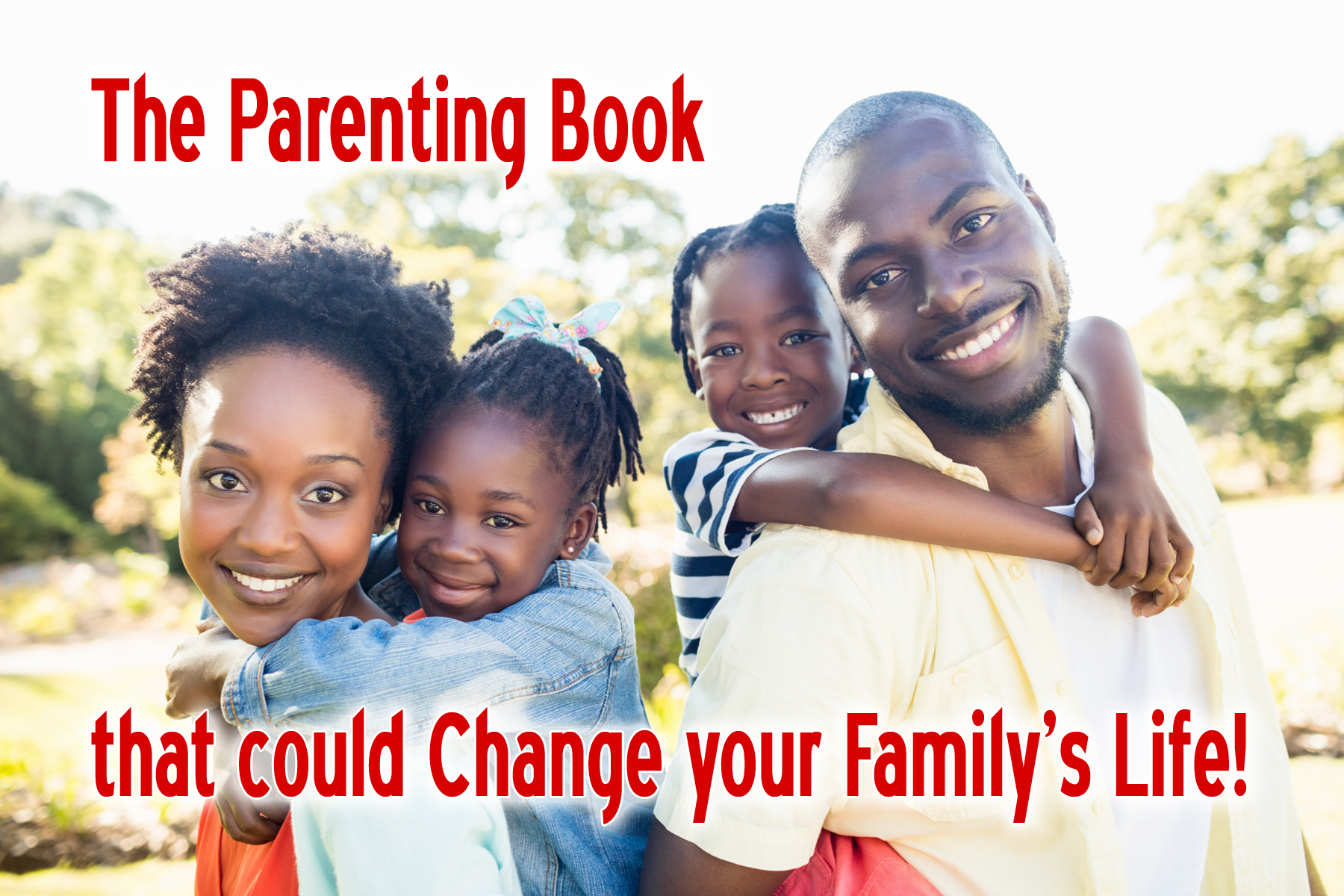
Click here to explore parenting resources and tools starting at under a dollar. Equip yourself with knowledge and strategies to raise confident, resilient, and empathetic children.


There are no comments